Conversational guides
Assistants inside immersive sites and touchscreens that answer in the visitor’s language and point them to the right place.
Services / 08
WebGL, Three.js, real-time 3D and motion for websites and experiences people remember, engineered to run smoothly on the devices your audience actually uses.

The challenge
When every page can be generated, the ones people remember are the ones that feel crafted. Real-time 3D and motion can do that, but only if they load fast and run smoothly on the phone in someone’s hand. We engineer immersive work to perform first, so the craft reaches the audience instead of stalling on the way.
What it is
An immersive website uses real-time 3D, motion and interaction to present something a flat page cannot: a product you can turn, a space you can move through, a story that responds to the visitor. Done well, it is also fast, accessible and readable. We design the experience and engineer it: 3D assets, shaders, performance budgets, and fallbacks for devices that cannot run the full scene.
Experiences where 3D does real work, on the phone in someone’s pocket as well as a studio screen.
Scroll-driven stories, real-time scenes and motion that carry a brand, like Optima Shipping’s maritime website.
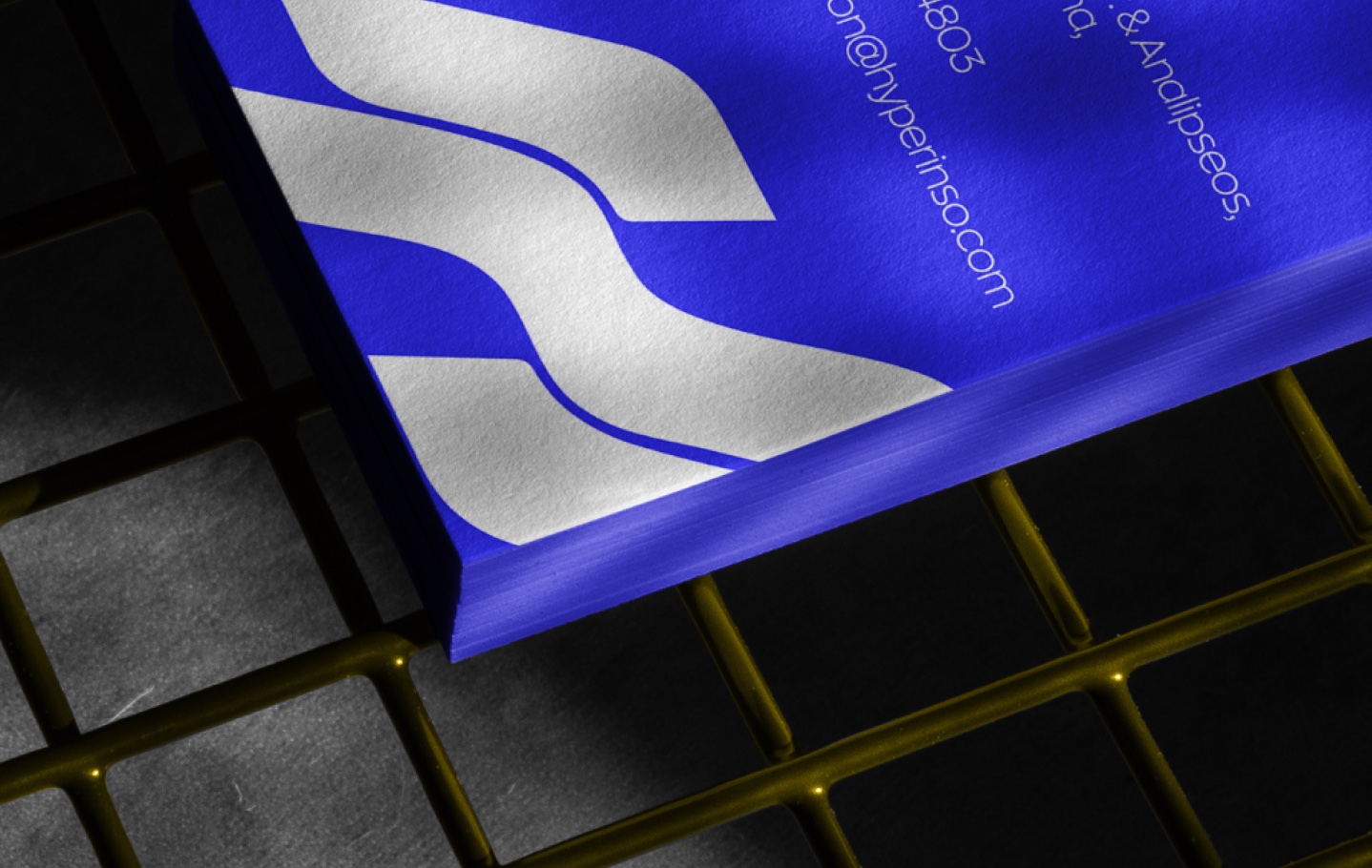
3D models and renders of physical products, like the product imagery we produced for Hyperinso.
Three.js and WebGL scenes with geometry, texture and draw-call budgets that keep them smooth on ordinary phones.
Modelling, lighting, animation and film, produced in-house in Maya, Blender and 3ds Max.
Interactive experiences for physical spaces, such as the This is Athens touchscreens.
Intelligence, built in
Immersive work becomes more useful with intelligence inside it: guides that answer questions in the scene, and content generated and adapted for each visitor, within the brand’s rules.
Assistants inside immersive sites and touchscreens that answer in the visitor’s language and point them to the right place.
Imagery, 3D and film produced with FlowNode’s multi-model workflows, directed and approved by our designers.
Scenes and stories that adapt to what a visitor chooses, without giving up performance or accessibility.
3D designed, produced and engineered here.
How we work
The idea, the story and the role 3D plays, agreed before anything is modelled.
Form, material, light and motion developed as studies, then tested in the browser early.
Optimised assets, shaders and scenes with performance budgets, fallbacks and reduced-motion states.
Profiling on the phones and laptops your audience uses, until the frame rate and the design both hold.
Scope
Questions
Not if it is engineered properly. We set budgets for geometry, textures and draw calls, load scenes only when they are needed, and provide still fallbacks for devices or settings that call for them.
Yes. A conversational guide can live inside the experience, answering questions and pointing visitors to what they need.
It can be. We keep text as real text, respect reduced-motion preferences in our 3D scenes, and make sure every piece of content and navigation works without the 3D.
Yes. Modelling, lighting, animation and rendering are done in-house by our 3D team.
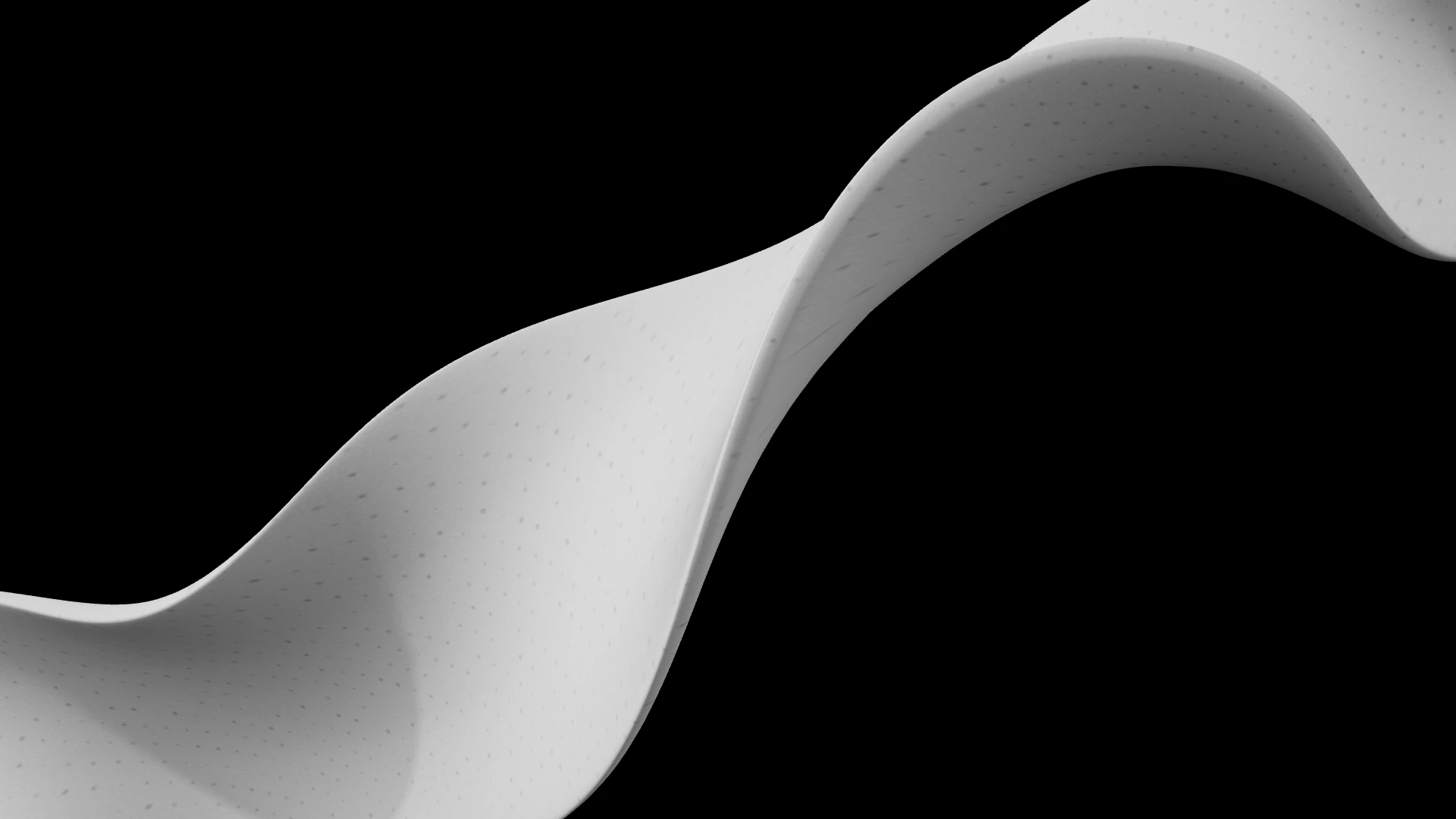
You are looking at one. The sculptures on this website render live in your browser.
More services
Customer portals, partner platforms, multi-tenant SaaS and the internal systems behind them.
Custom CRM, ERP and operations software: customers, orders, assets, fleets and reporting in one system.
Finding where AI pays, redesigning the work around people and agents, and scaling what works.
LLM fine-tuning, domain and speech models, evaluation, private deployment and AI inside real products.
Leasing platforms, booking engines, quoting, applications, payments and commerce.
UX research, information architecture, UI design, prototyping and design systems for complex software.
Positioning, naming, identity and living brand systems that carry into products, websites and AI.
DevSecOps, manual code audits, row-level security, multi-tenant governance and compliance by design.